
Background
“In 2016, P.P. Sneha published a report Mapping Digital Humanities in India that notes that DH is in ‘incipient stage’ in India [Sneha 2016, 16]. However, the several key events in the recent past indicate that DH in India is steadily moving from an incipient stage to a ‘progressive stage’” [Shanmugapriya and Menon 2020]. However, the act of becoming DH in the Indian landscape, for both research and pedagogy, is primarily through acts of self-identification and not through previous affiliations to an existing big tent (Ramsay). What makes such acts of self-identification particularly challenging is the relative dearth of institutionalized programs in DH along with the pervasive social imaginary of Indian humanities classrooms, which often align digital tools, techniques and objects with their colonial legacies: the imperialist associations between rationality, technology and the scientific imagination (Prakash, 1999). “Though the term DH has begun to be noticed in the academic circle in 2010 [Sneha 2016,], the computational tradition of humanities in India goes back two decades with two important archival projects such as Project Madurai [Project Madurai 1998] a digitized collection of ancient Tamil classics and Bichitra [Bichitra 2013], a digital variorum of Rabindranath Tagore’s works which remarked the genesis of DH in India” [Shanmugapriya and Menon 2020]. Therefore, with an eye toward postcolonial digitality, DHARTI foregrounds that while Postcolonial DH and a Decolonized DH curriculum in India can and should be many things; but it should not be a checklist, a test or yet another way to exclude people that major structural forces already exclude.


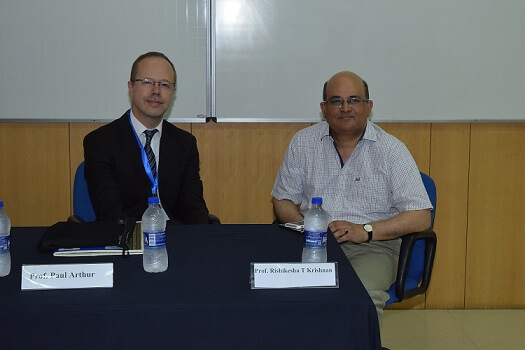
DHARTI, in its previous avatar as the Digital Humanities Alliance of India (DHAI) successfully held its inaugural conference in June 2018 at IIM Indore, which was organized jointly by IIM Indore and IIT Indore. The two-day conference that had as its theme: Contestations, Connections and Collaborations saw participation from more than 50 national and international delegates from 16 Indian states and 5 countries. DHARTI came into existence on June 2, 2018 at a town hall meeting amongst all participants and in presence of the conference keynote speakers (Prof. Paul Arthur, Prof. Chaz Evans and Ms. PP Sneha) at the inaugural DHAI Conference. The name DHARTI was formalized in 2019 by the members of the Executive Committee. The current institutional location of DHARTI is IIT Indore (M.P.), the institutional affiliation of the President Professor Nirmala Menon. DHARTI is now registered as a non-profit organization in India. This is a national registration so the institutional location can be the institutional affiliation of the President of the organisation at a given time.
Organizational Structure
The policies and decisions of Digital Humanities Alliance for Research and Teaching Innovations (DHARTI) is governed by the Executive Board members. Members of the Board must also be members of the Alliance. The Board shall place before the General Body any important policy matter or legislation for discussion. The agenda for the GBM should be circulated to ALL members before the meeting.
Leadership
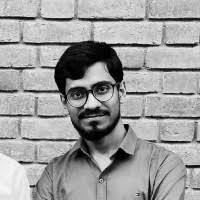
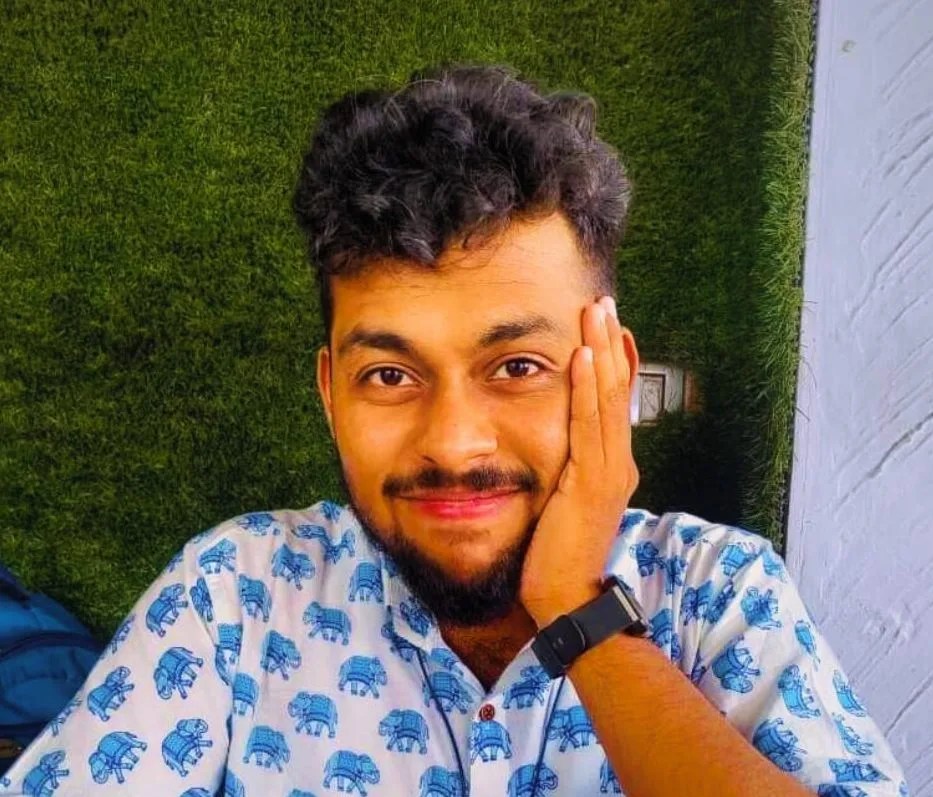
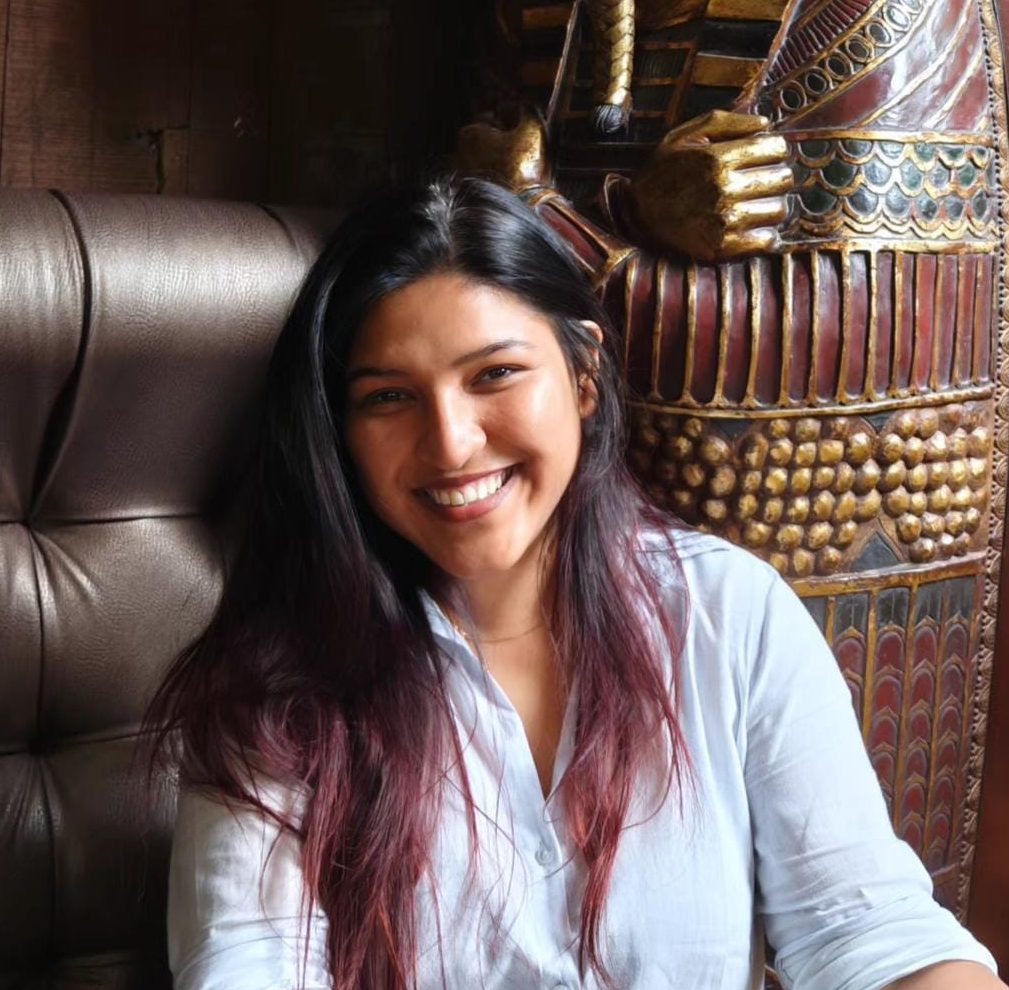
The following twelve governing body members were elected after a voting process at the conclusion of the DHARTI 2022 and DHARTI 2024 conference:
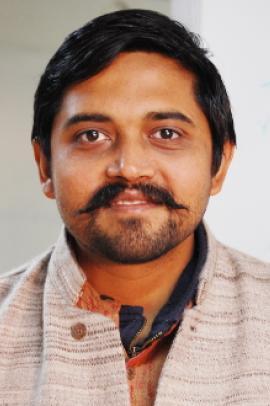

(Vice President)

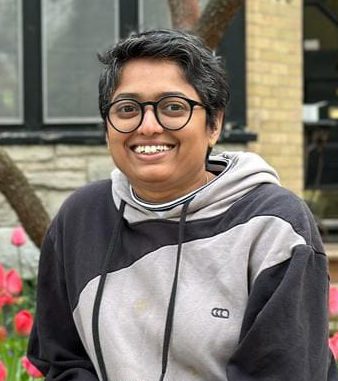
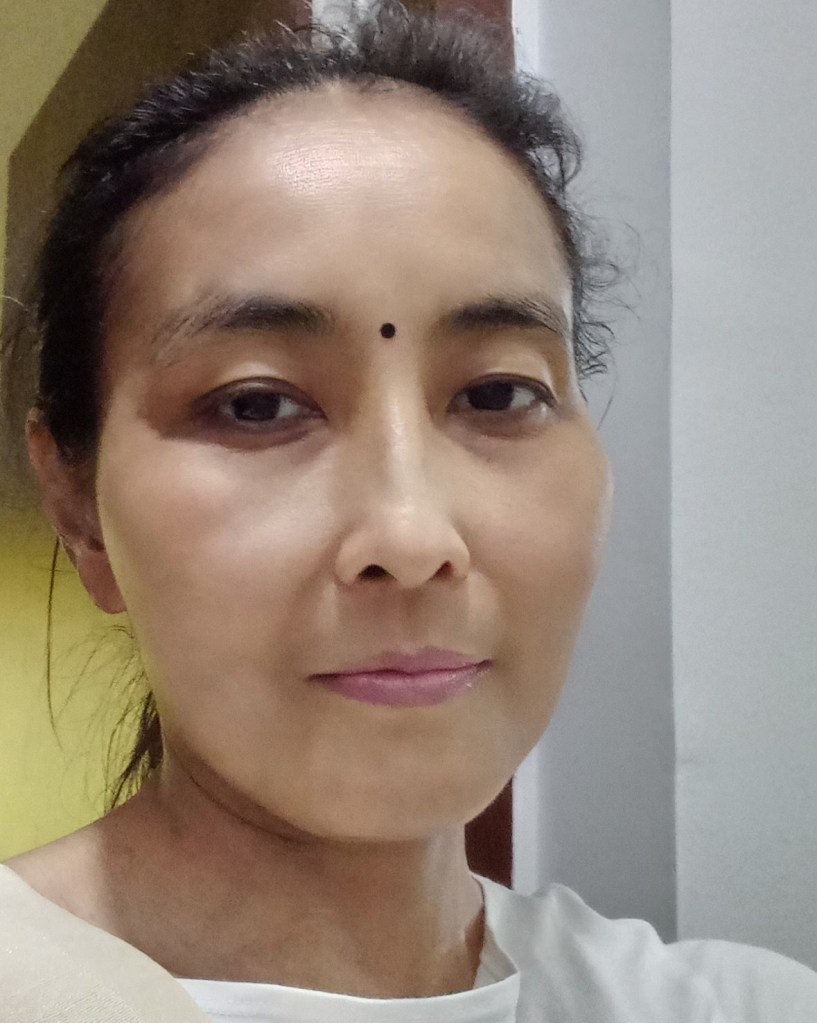



Past members


 DHARTI